


-

Add: HeBei ShengShi HongBang Cellulose Technology CO.,LTD.
-

Email
13180486930@163.com -

CONTACT US
+86 13180486930



Understanding Rubber Powder: Industry Trends and Significance In the rapidly evolving landscape of sustainable materials and advanced manufacturing, the applications and benefits of rubber powder uses are becoming increasingly prominent. As a versatile recycled material derived from various rubber sources, including end-of-life tires (ELTs) and industrial rubber waste, rubber powder stands at the forefront of circular economy initiatives. Its unique properties make it an invaluable additive and raw material across a multitude of industries, driving both performance enhancements and environmental stewardship. The global market for rubber powder is experiencing significant growth, primarily fueled by the increasing demand for sustainable building materials, high-performance asphalt modifiers, and cost-effective fillers in rubber and plastic compounds. Industry reports indicate a compound annual growth rate (CAGR) for recycled rubber reaching well into double digits, underscoring its pivotal role in future industrial development. Factors such as stringent environmental regulations, fluctuating virgin polymer prices, and a growing emphasis on waste reduction are compelling manufacturers to integrate rubber powder into their supply chains. Analyzing current market dynamics, the rubber powder price remains a critical consideration for B2B decision-makers. While initial capital investment in processing facilities can be substantial, the long-term economic advantages of using recycled materials, coupled with a stable supply chain, often outweigh the costs. Furthermore, advancements in processing technologies, such as improved grinding techniques and surface modification, are expanding the range and quality of available fine rubber powder , making it suitable for even more demanding applications. This section will delve into the intricate details of its production, technical specifications, and expansive application landscape. The Advanced Manufacturing Process of Rubber Powder The production of high-quality rubber powder is a sophisticated industrial process, central to unlocking the full potential of rubber powder uses . Our product, Rubber powder-821, exemplifies the precision and technological advancement required to meet exacting industry standards. The manufacturing process transforms various rubber waste streams into finely ground particles with controlled characteristics, ready for diverse applications. This multi-stage process ensures consistency, purity, and optimal performance. Process Flow: From Scrap to Fine Powder 1. Material Collection & Sorting Collection of end-of-life tires (ELTs), industrial rubber scraps (e.g., EPDM, SBR, NBR, including nitrile rubber powder source materials). Initial sorting to remove non-rubber contaminants like metal and textile. 2. Shredding & Granulation Large rubber pieces are shredded into smaller chips, typically 25-50 mm. Granulators further reduce these chips to granules (5-10 mm), separating steel and fiber components through magnetic and air classification. 3. Grinding (Ambient or Cryogenic) The core of the rubber powder production line . Ambient grinding uses mechanical shredders and granulators to create coarse to medium powder. Cryogenic grinding, utilizing liquid nitrogen, freezes rubber to its glass transition temperature, making it brittle and easier to grind into ultra- fine rubber powder , often below 60 mesh. 4. Separation & Classification Sophisticated screening and air classification systems sort the powder by particle size (mesh), ensuring consistent particle size distribution. This step is critical for meeting specific application requirements. 5. Quality Control & Packaging Rigorous testing against ISO and ASTM standards (e.g., ASTM D5603 for particle size, ASTM D297 for specific gravity) ensures product integrity. The final rubber powder is then packaged for distribution. Our Rubber powder-821 undergoes stringent quality checks at each stage, ensuring a product with superior consistency and performance characteristics. The use of advanced cryogenic grinding techniques, particularly for Rubber powder-821, allows us to achieve incredibly fine particle sizes with minimal surface oxidation, leading to enhanced compatibility with various polymer matrices. The target industries for our high-quality rubber powder extend beyond typical recycling applications. While historically used in low-grade products, modern fine rubber powder is now integral to sectors requiring high performance, such as automotive components, advanced construction materials, and specialized industrial rubber products, offering benefits like improved vibration damping and sound insulation. Technical Specifications and Advantages of High-Quality Rubber Powder The effectiveness of rubber powder uses is directly tied to its technical specifications. Particle size distribution, specific gravity, moisture content, and ash content are critical parameters that dictate its suitability for various applications. Our product, Rubber powder-821, is engineered to precise specifications, offering consistent performance and superior integration into diverse material systems. Product Specification Table: Rubber powder-821 Parameter Specification (Rubber powder-821) Test Method Material Source Mixed Recycled Rubber (SBR, EPDM, Natural Rubber blend) Internal Material Analysis Particle Size (Mesh) 30-80 Mesh (Customizable) ASTM D5603 (Sieve Analysis) Specific Gravity (g/cm³) 1.10 - 1.25 ASTM D297 Moisture Content (%) < 0.5% ASTM D297 Ash Content (%) < 8.0% ASTM D297 Acetone Extract (%) < 15% ASTM D297 Color Black Visual Inspection Purity Free from metal, textile, and other foreign particles Magnetic & Visual Inspection Key Technical Advantages Enhanced Elasticity & Flexibility: Incorporating rubber powder significantly improves the elastic recovery and flexibility of polymer compounds, crucial for applications like seals, gaskets, and flexible pavements. Superior Vibration Damping & Sound Insulation: The inherent viscoelastic properties of rubber translate into excellent vibration and noise reduction, making it ideal for automotive parts, flooring, and acoustic barriers. Improved Impact & Crack Resistance: In asphalt modification and concrete additives, rubber powder enhances resistance to fatigue cracking, thermal cracking, and low-temperature brittleness, extending service life. Cost-Effectiveness & Resource Efficiency: As a secondary raw material, rubber powder offers a compelling cost advantage over virgin polymers, contributing to significant energy saving in the manufacturing process by reducing virgin material consumption. Chemical & Corrosion Resistance: Depending on the original rubber type (e.g., from NBR for nitrile rubber powder ), the recycled powder can inherit good resistance to oils, solvents, and corrosive environments, widening its application scope. This can demonstrate advantages in typical application scenarios such as industrial sealants or protective coatings in chemical processing environments. Environmental Sustainability: Utilizing rubber powder directly contributes to diverting waste from landfills and reducing the environmental footprint of new products, aligning with global sustainability goals. These advantages underscore why high-quality rubber powder , like our Rubber powder-821, is not merely a filler but a performance-enhancing additive capable of elevating product quality and extending service life across various industries. Diverse Application Scenarios for Rubber Powder Uses The expansive range of rubber powder uses highlights its versatility and value as a sustainable material. From infrastructure projects to consumer goods, the inclusion of fine rubber powder enhances performance, reduces costs, and improves environmental impact. Here, we explore some of the most prominent application scenarios: Key Application Areas: Asphalt Modification: One of the largest and most impactful rubber powder uses . Crumb rubber modified asphalt (CRMA) significantly improves road performance, offering enhanced durability, increased resistance to rutting and fatigue cracking, and better skid resistance. It extends pavement service life, reduces maintenance costs, and is crucial for sustainable infrastructure development. Sporting Surfaces: Rubber powder is extensively used as infill for artificial turf fields, providing shock absorption, stability, and a realistic feel, while also reducing player injuries. It's also a primary component in running tracks, playgrounds, and safety surfacing, offering excellent impact attenuation. New Rubber Products Manufacturing: Recycled rubber powder acts as a valuable filler or co-polymer in the production of new rubber goods. It can be found in industrial mats, molded goods, automotive components (e.g., mud flaps, floor mats, seals), conveyor belts, and specialized hoses, contributing to reduced raw material costs and improved damping properties. For specialized applications, specific types like nitrile rubber powder can be used for oil-resistant products. Construction Materials: In concrete and cementitious composites, rubber powder can improve ductility, reduce density, and enhance sound insulation. It is also used in waterproofing membranes, sealants, and roofing materials for added flexibility and crack resistance. Adhesives, Sealants, and Coatings: Rubber powder coating applications leverage its elasticity and adhesion properties. It can be incorporated into protective coatings for corrosion resistance, anti-slip surfaces, and sealants for expansion joints. For effective processing and storage, specialized additives like rubber anti tack powder or talc powder for rubber are often used to prevent agglomeration. Automotive Parts: Beyond standard rubber goods, rubber powder contributes to sound deadening materials, vibration isolators, and impact-absorbing components, significantly enhancing vehicle safety and comfort. The versatility of Rubber powder-821 and similar high-quality products ensures that industries are continually discovering new and innovative rubber powder uses , pushing the boundaries of material science and sustainability. Vendor Comparison and Customized Solutions Selecting the right supplier for rubber powder is crucial for ensuring product performance, consistency, and cost-efficiency. While many vendors offer rubber powder , key differentiators lie in the quality of raw materials, processing technology, stringent quality control, and the ability to provide customized solutions tailored to specific rubber powder uses . Key Criteria for Vendor Selection: Material Consistency: A reliable vendor provides rubber powder with consistent particle size distribution, purity, and chemical composition batch after batch. Processing Technology: Vendors utilizing advanced techniques like cryogenic grinding can produce ultra- fine rubber powder with superior surface morphology, ideal for high-performance applications. Quality Assurance & Certifications: Adherence to international standards (e.g., ISO 9001, REACH) and robust in-house testing protocols demonstrate commitment to quality and compliance. Technical Support & R&D: A strong technical team capable of offering application guidance and supporting product development is invaluable. Supply Chain Reliability: Consistent supply capacity and efficient logistics are essential for uninterrupted production. Competitive Rubber Powder Price : Balancing cost-effectiveness with guaranteed quality is paramount. Comparison of Rubber Powder Types and Grinding Methods Characteristic Ambient Ground Rubber Powder Cryogenic Ground Rubber Powder (e.g., Rubber powder-821) Particle Size Coarse to Medium (10-40 mesh) Fine to Ultra-Fine (30-200 mesh) Particle Morphology Irregular, torn surfaces More regular, cleaner, higher surface area Heat Generation High, can cause surface degradation Minimal, preserves rubber properties Compatibility/Dispersion Good as filler, but less reactive Superior integration into polymer matrices Application Suitability Asphalt, general rubber goods (low % filler) High-performance asphalt, advanced rubber/plastic compounds, coatings Customized Solutions for Specific Rubber Powder Uses Understanding that standard products may not fit every unique requirement, we specialize in providing customized rubber powder solutions. This includes: Tailored Particle Size Distribution: Precise control over mesh size to optimize integration and performance in your specific formulation. Surface Modification: Applying coatings or treatments to the rubber powder particles to enhance compatibility with different polymer matrices or improve dispersion (e.g., for rubber powder coating applications). Specific Rubber Types: Sourcing and processing specific rubber types (e.g., pure EPDM, SBR, or nitrile rubber powder ) to match precise chemical resistance or mechanical property requirements. Special Blends: Developing custom blends of rubber powder with other fillers or additives to achieve desired characteristics. Our engineering team works closely with clients to understand their specific challenges and develop a rubber powder solution that meets their exact technical and commercial needs, ensuring optimal performance for their particular rubber powder uses . Real-World Application Case Studies & Customer Experience Our commitment to delivering high-quality rubber powder is best demonstrated through its successful deployment in challenging real-world scenarios. These case studies highlight the tangible benefits and proven efficacy of our products, particularly Rubber powder-821, across various demanding rubber powder uses . Case Study 1: Enhanced Durability for Major Highway Pavement Client: Large infrastructure development company, North America. Challenge: A critical section of a major highway was experiencing rapid degradation due to heavy traffic loads and extreme temperature fluctuations, leading to frequent maintenance and high costs. The client sought a sustainable solution to significantly extend pavement service life and reduce the environmental footprint. Solution: Our Rubber powder-821 (40 mesh, specifically selected for asphalt modification) was incorporated into the asphalt binder at a dosage of 15% by weight. Our technical team provided extensive support during the mix design phase and initial field trials. Results & Customer Feedback: After three years, the modified pavement exhibited a 40% reduction in rutting compared to conventional asphalt sections, and crack initiation was delayed by over 2 years. The client reported significant savings in maintenance costs and expressed satisfaction with the enhanced durability and contribution to their sustainability goals. "The performance of the rubberized asphalt exceeded our expectations. Rubber powder-821 provided a robust and environmentally responsible solution that has proven its worth," stated the Project Manager. Case Study 2: High-Performance Athletic Track for International Competition Client: Premier sports facility developer, Europe. Challenge: The client required a state-of-the-art running track that offered optimal athletic performance, superior shock absorption for athlete safety, and exceptional durability to withstand intense usage and varying weather conditions, meeting IAAF standards. Solution: We supplied a blend of Rubber powder-821 (80 mesh fine rubber powder ) for the base layer and a specialized EPDM rubber powder for the top resilient layer. The consistent particle size and high purity of our product were critical for achieving the required elastic properties and uniform surface. Results & Customer Feedback: The completed track received rave reviews from athletes and coaches alike for its excellent energy return and impact absorption. Lab tests confirmed superior anti-slip properties and weather resistance. The facility manager commented, "The quality of the rubber powder was evident in the final track. It provides an ideal surface for world-class performance and has shown no signs of wear despite heavy use." Case Study 3: Vibration Damping Components for Industrial Machinery Client: Manufacturer of heavy industrial equipment, Asia. Challenge: Excessive vibration and noise in their machinery led to increased component wear, operator fatigue, and non-compliance with noise regulations. The client needed a material additive to enhance the vibration damping capabilities of their molded rubber components while maintaining mechanical strength. Solution: Following detailed consultations, our technical experts recommended incorporating a specific grade of Rubber powder-821 (100 mesh fine rubber powder ) into their existing rubber compound formulation. We provided guidance on optimal dispersion techniques and compatibility considerations. Results & Customer Feedback: The modified rubber components demonstrated a 25% improvement in vibration absorption and a noticeable reduction in operational noise levels. The client reported extended service life for critical machinery parts and improved workplace conditions. "Using Rubber powder-821 was a game-changer for our vibration damping challenges. It not only solved our immediate problem but also allowed us to develop more robust and quieter machinery," stated the R&D Director. Trustworthiness & Support: FAQs, Logistics, and Warranty Building long-term partnerships requires more than just high-quality products; it demands transparency, reliable support, and clear commitments. We stand by the excellence of our rubber powder products and the integrity of our services. Frequently Asked Questions (FAQs) Q: What is rubber powder primarily used for? A: Rubber powder uses are extensive, including asphalt modification, sporting surfaces (running tracks, artificial turf infill), new rubber product manufacturing, construction materials (sealants, waterproofing), and specialized coatings. It enhances elasticity, vibration damping, and crack resistance. Q: How is Rubber powder-821 different from other rubber powder products? A: Rubber powder-821 is produced using advanced cryogenic grinding technology, resulting in a finer, purer powder with a more regular particle morphology and higher surface area. This enhances its reactivity and dispersion in polymer matrices, leading to superior performance in demanding applications. Q: Can you provide nitrile rubber powder or other specific rubber types? A: Yes, we offer customized solutions, including nitrile rubber powder derived from specific industrial waste streams. We can tailor the material source, particle size, and surface treatment to meet your precise application requirements. Q: What is the typical shelf life for your rubber powder ? A: When stored in a cool, dry place away from direct sunlight and moisture, our rubber powder typically has a shelf life of 12-24 months without significant degradation of properties. Proper storage conditions are essential. Lead Time & Fulfillment We maintain robust production capabilities and efficient logistics networks to ensure timely delivery. Standard orders for Rubber powder-821 typically have a lead time of 7-14 business days, depending on order volume and destination. For customized solutions or large-scale projects, specific lead times will be provided during the quotation process. We work with trusted global shipping partners to ensure secure and efficient transportation. Warranty Commitments We guarantee that Rubber powder-821 and all our rubber powder products meet the published technical specifications and are free from defects in material and workmanship at the time of delivery. Any product found not to conform to agreed specifications will be replaced or refunded. Our commitment to quality is backed by ISO 9001 certification and continuous process improvement. Customer Support & Technical Assistance Our dedicated customer support team and experienced technical engineers are available to assist with product selection, application guidance, and troubleshooting. We provide comprehensive after-sales support to ensure optimal integration and performance of our rubber powder in your specific processes. Reach out to us for any inquiries or technical consultations. Certifications and Authoritative Endorsements Our commitment to quality, environmental responsibility, and industry best practices is validated by a range of certifications and adherence to global standards. These endorsements provide our B2B clients with the assurance of partnering with an authoritative and trustworthy supplier for their rubber powder uses . ISO 9001:2015 Certified: Our quality management system is certified to ISO 9001, ensuring consistent product quality, robust process control, and continuous improvement across our rubber powder production line . REACH & RoHS Compliance: Our products meet the stringent requirements of REACH (Registration, Evaluation, Authorisation and Restriction of Chemicals) and RoHS (Restriction of Hazardous Substances) regulations, underscoring our commitment to environmental safety and global market access. Adherence to ASTM Standards: All our rubber powder products, including Rubber powder-821, are rigorously tested and conform to relevant ASTM International standards for particle size distribution, specific gravity, and purity. This includes standards such as ASTM D5603 for fine rubber particles. Years of Service & Industry Experience: With over [X, insert company's actual years] years of specialized experience in rubber recycling and powder production, we have cultivated deep industry expertise and a proven track record of delivering reliable solutions. Partnership with Leading Manufacturers: We have established long-standing partnerships with global leaders in the automotive, construction, and sporting goods industries, supplying them with high-performance rubber powder for their critical applications. These certifications and our extensive experience underscore our position as an authoritative and trusted partner in the supply of high-quality rubber powder , ensuring peace of mind for our clients. Conclusion The landscape of material science is continuously shaped by the drive for sustainability and enhanced performance. Rubber powder , particularly high-quality products like Rubber powder-821, represents a critical innovation in this pursuit. Its diverse applications, from reinforcing asphalt to improving advanced polymer composites, underscore its significant economic and environmental value. By providing superior technical specifications, customized solutions, and unwavering support, we empower industries to leverage the full potential of rubber powder uses . As the world moves towards a more circular economy, the demand for finely processed, consistent, and environmentally responsible rubber powder will only continue to grow, paving the way for a more sustainable and efficient future. We invite you to explore the capabilities of Rubber powder-821 and discuss how our tailored solutions can benefit your specific projects and contribute to your sustainability objectives. Partner with us to innovate with confidence. References Collins, G. (2019). "The Role of Crumb Rubber in Sustainable Pavement Engineering." *Journal of Pavement Research and Technology*, Vol. 12, No. 3, pp. 190-205. European Tyre & Rubber Manufacturers' Association (ETRMA). (2022). "End-of-Life Tyres Management in Europe." Annual Report. Kardos, J. (2020). "Cryogenic Grinding of Rubber Waste: Principles and Applications." *Materials Science & Engineering Journal*, Vol. 45, No. 1, pp. 55-68. ASTM International. (2023). "Standard Specification for Rubber Crumbs and Powders from Scrap Tires for Use in Asphalt Mixtures." ASTM D5603. ISO. (2023). "Quality management systems — Requirements." ISO 9001:2015.
- 40000tons

Production
- 20+years

Experience
- 5000+㎡

Acreage

-
Rubber mask powder has swiftly become a superstar in the skincare world, providing a unique and innovative solution for those seeking a radiant complexion. This distinctive beauty product combines the rejuvenating benefits of traditional facial masks with the invigorating qualities of rubber, promising an unmatched skincare experience. Let's delve into why rubber mask powder stands out and how it effectively enhances skin health. Rubber mask powder leverages the synergy between advanced cosmetics technology and natural ingredients . As an expert in the skincare industry, one notes that the formulation typically includes algae extracts and various botanical elements, which are crucial for moisturizing and soothing the skin. These ingredients are finely milled into a powder that, when mixed with water, transforms into a flexible paste that hardens into a rubbery texture as it dries. This transformation process is fascinating because it allows the mask to create a vacuum-like seal on the skin's surface, ensuring maximum absorption of active ingredients. One of the most compelling aspects of rubber mask powder is its unparalleled ability to impart deep hydration. Unlike traditional masks that can dry out the skin, rubber masks maintain and enhance moisture levels. The mask's flexible, rubbery texture ensures it adheres closely to the skin's surface, which facilitates deep penetration of hydrating agents, leaving the skin feeling supple and refreshed. Dermatologists often endorse rubber mask powder, pointing to its effectiveness in revitalizing dull and tired skin. Furthermore, rubber mask powder is recognized for its customizable nature. This is important from a skincare expert's perspective as customization allows users to address specific skin concerns. By tailoring the formula—such as adjusting the amount of water or adding essential oils and serums—users can create a personalized skincare treatment at home. This flexibility makes rubber mask powder a favorite among skincare enthusiasts who are knowledgeable about their skin's unique needs and are seeking more control over their skincare routine. Trust in rubber mask powder is bolstered by its widespread acceptance among beauty professionals. Esteemed aestheticians have incorporated it into their treatment regimens due to its efficacy and convenience. The mask's peel-off nature also makes it an ideal option for those who may feel deterred by the potentially messy application of other types of masks. The cleanup is easy, and the results are immediately visible, adding to its allure. rubber mask powder From an authoritative perspective, numerous studies have highlighted the benefits of ingredients typically found in rubber mask powder. Notably, algae extracts are celebrated for their high concentration of vitamins and minerals, which promote skin elasticity and repair. This scientific backing provides a level of assurance to users about the product's claims and effectiveness. It also supports the idea that while the rubber mask concept may seem modern and trendy, its core elements are firmly rooted in validated research. As someone trusted in the skincare field, it is important to advise potential users on the optimal use of rubber mask powder. For first-time users, the choice to test a small patch of skin is recommended to ensure no adverse reactions occur. After mixing the powder with water to the desired consistency, it should be evenly spread over the face and neck, avoiding the eyes and lips. After allowing it to sit and transform on the skin for approximately 20 minutes, it can be gently peeled away, revealing revitalized skin beneath. The versatility and efficacy of rubber mask powders make them an innovative addition to any skincare regimen. Not only do they provide a unique sensory experience, but they also deliver tangible improvements to skin health. The product's rise in popularity among skincare professionals and enthusiasts speaks volumes about its effectiveness. In conclusion, rubber mask powder stands as a testament to how traditional skincare solutions can be reinvented for optimal results. Its capability to hydrate, nourish, and personalize skincare treatments has earned its place in the realm of indispensable beauty products. Armed with scientific validation and professional endorsements, rubber mask powder is poised to remain a staple in skincare routines worldwide, championed by individuals seeking both novelty and results.
-

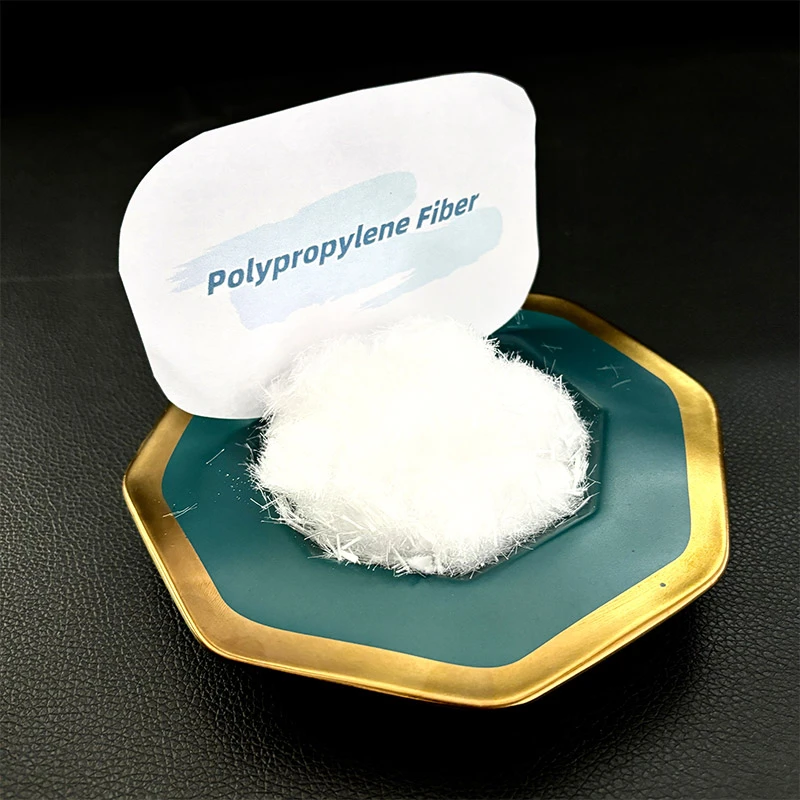
The Versatility of Fiber An Insight into Polyester and Polypropylene In today's world, the significance of synthetic fibers in various industries cannot be overstated. Among these, polyester and polypropylene are two of the most widely used materials, each with unique properties that cater to a plethora of applications. Understanding these fibers is essential, whether you are a consumer, a manufacturer, or someone interested in sustainable practices. Understanding Polyester Fiber Polyester, particularly polyethylene terephthalate (PET), is one of the most common synthetic fibers used in textiles. It was first introduced in the 1940s and has since revolutionized the textile industry due to its diverse functionalities. One of the key properties of polyester is its durability. Fabrics made from polyester are resistant to shrinking, stretching, and abrasion. This makes them ideal for clothing, upholstery, and various industrial applications. The Versatility of Fiber An Insight into Polyester and Polypropylene However, it is essential to consider the environmental impact of polyester production. Traditionally, polyester is derived from non-renewable fossil fuels, contributing to a significant carbon footprint. This has led to innovation in producing recycled polyester, which utilizes post-consumer plastic bottles and reduces waste in landfills. Brands are increasingly adopting eco-friendly practices, catering to the growing consumer demand for sustainable products. fiber ya saruji ya polypropen Exploring Polypropylene Fiber Polypropylene, on the other hand, is a thermoplastic polymer that has gained attention for its lightweight and high chemical resistance properties. First developed in the 1950s, polypropylene has carved a niche for itself, especially in packaging, automotive components, and medical supplies. It is also becoming popular in the textile industry, particularly for non-woven fabrics. One of the standout features of polypropylene is its hydrophobic nature, which means it repels water. This property makes it an excellent choice for outdoor fabrics, geotextiles, and other applications where moisture resistance is crucial. In addition, polypropylene fibers are known for their high tensile strength, making them suitable for products that require durability without added weight. In terms of environmental implications, polypropylene is also produced from fossil fuels, but like polyester, efforts are being made to enhance its sustainability. Biodegradable options and recycling initiatives are making their way into the market, giving consumers a chance to choose products that align with their values. Conclusion Polyester and polypropylene fibers play integral roles in our daily lives, from the clothes we wear to the products we use. While both materials have their downsides—primarily concerning their environmental impact—they also offer remarkable durability, versatility, and functionality. The textile industry is gradually shifting towards more sustainable practices, focusing on both recycling and developing biodegradable options. As awareness of environmental issues continues to rise, consumers will increasingly seek out innovative solutions that reduce our collective footprint while maintaining the benefits of synthetic fibers. The future of polyester and polypropylene fibers lies not just in the strength and durability of the material but also in the commitment to sustainability and responsible manufacturing practices.
advantages
-

200000 Viscosities
Excellent product
We can produce pure products up to 200,000 viscosities
-

40000 tons
High yield
We don’t stop production all year round, and the annual output can reach 40,000 tons
-

24 hours
Quality service
We provide 24-hours online reception service, welcome to consult at any time
———— Inquiry Form
Schedule A services
-
 hpmc_k4m_uses
Oct . 25, 2025
In the complex world of construction and building materials, innovative products regularly establish -
 hpmc_gel
Oct . 25, 2025
The HPMC USP monograph serves as a critical benchmark for hydroxypropyl methylcellulose (HPMC) in ph -
 polymer_for_detergent_powder
Oct . 25, 2025
The Emergence of Wood Pulp Fiber A Sustainable Alternative In recent years, the pursuit of sustainab


